
It is important to recognize that every child is a blessing, regardless of gender, and that there should be no preference for one gender over another.
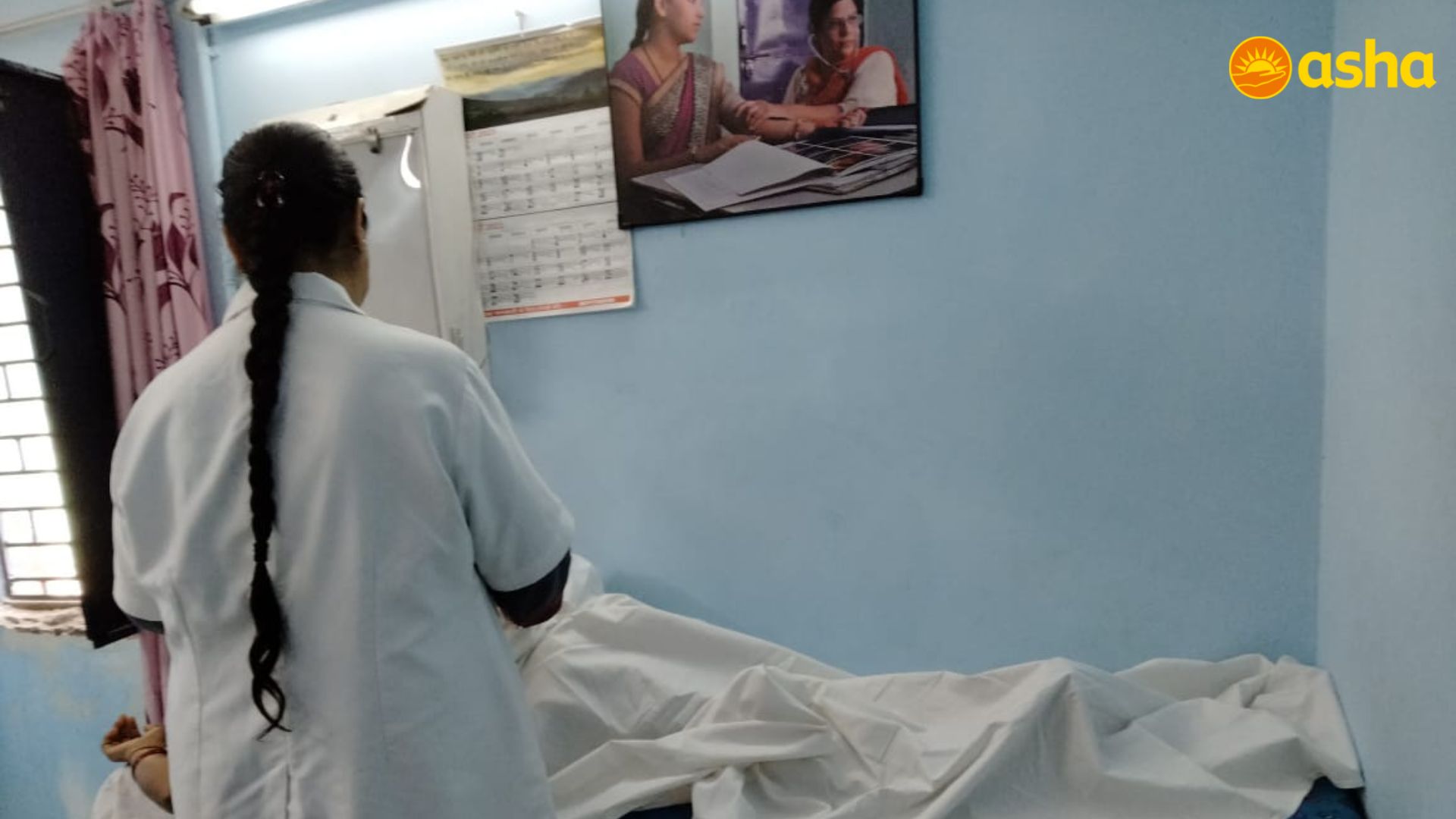
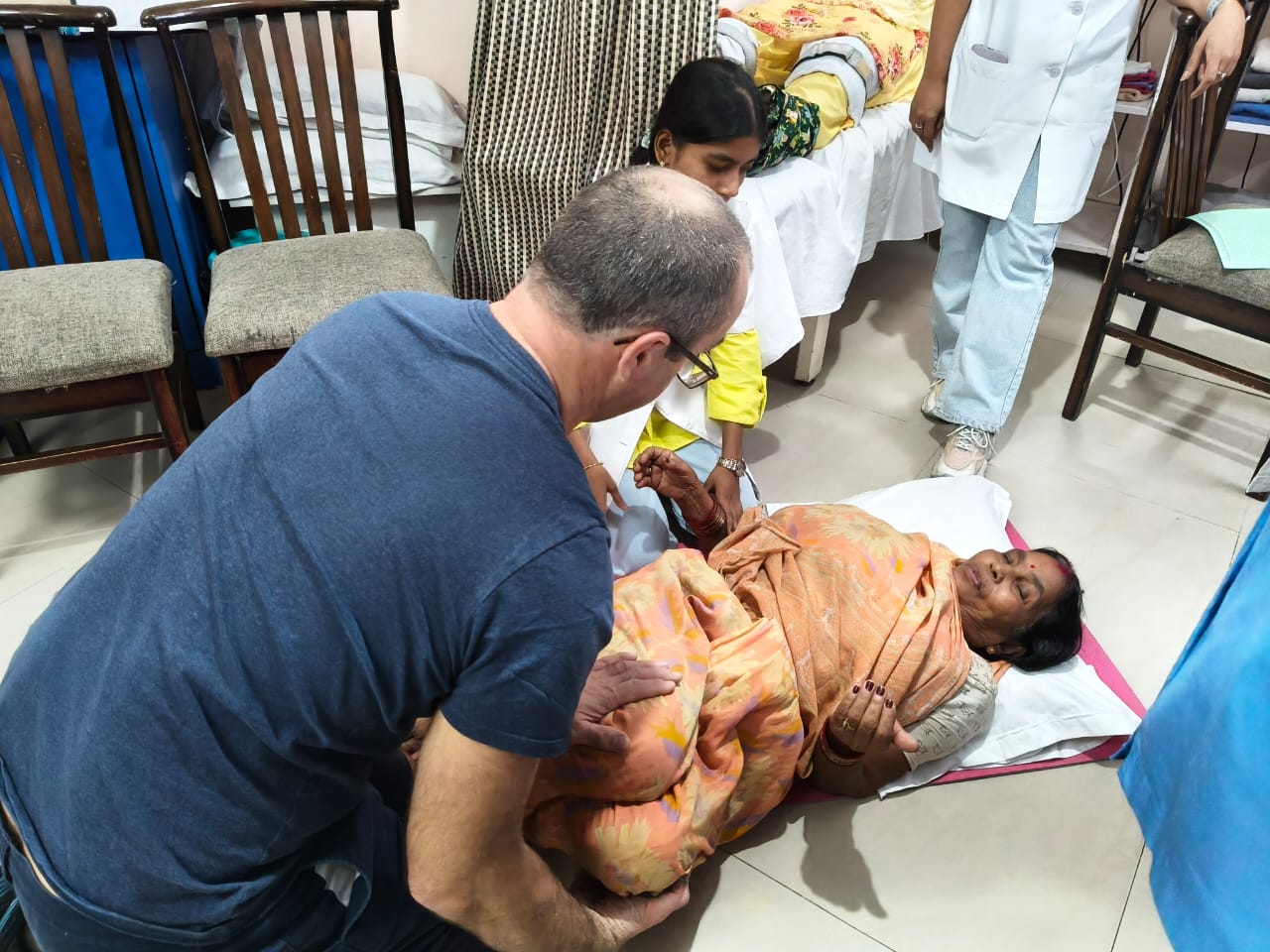
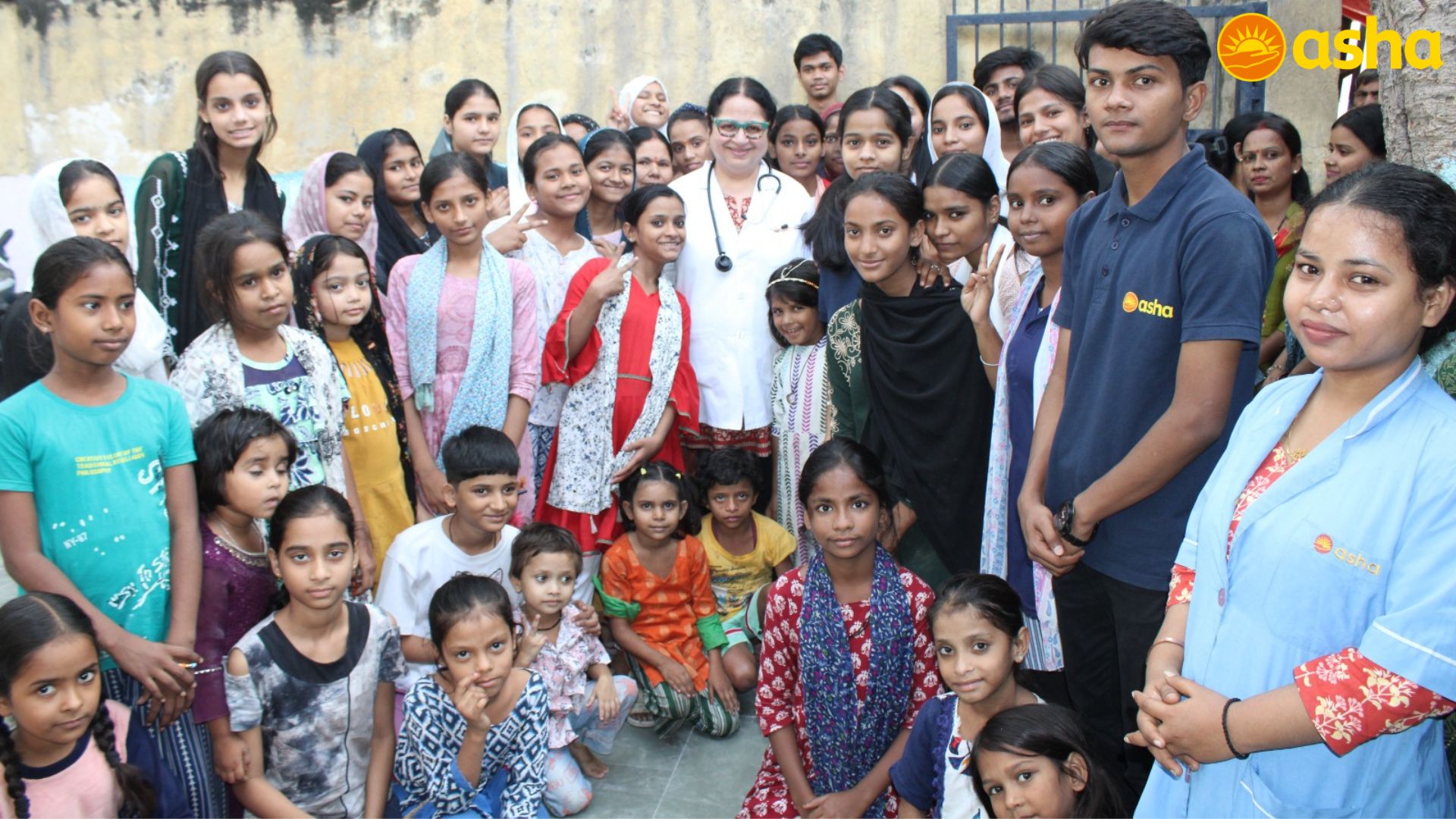
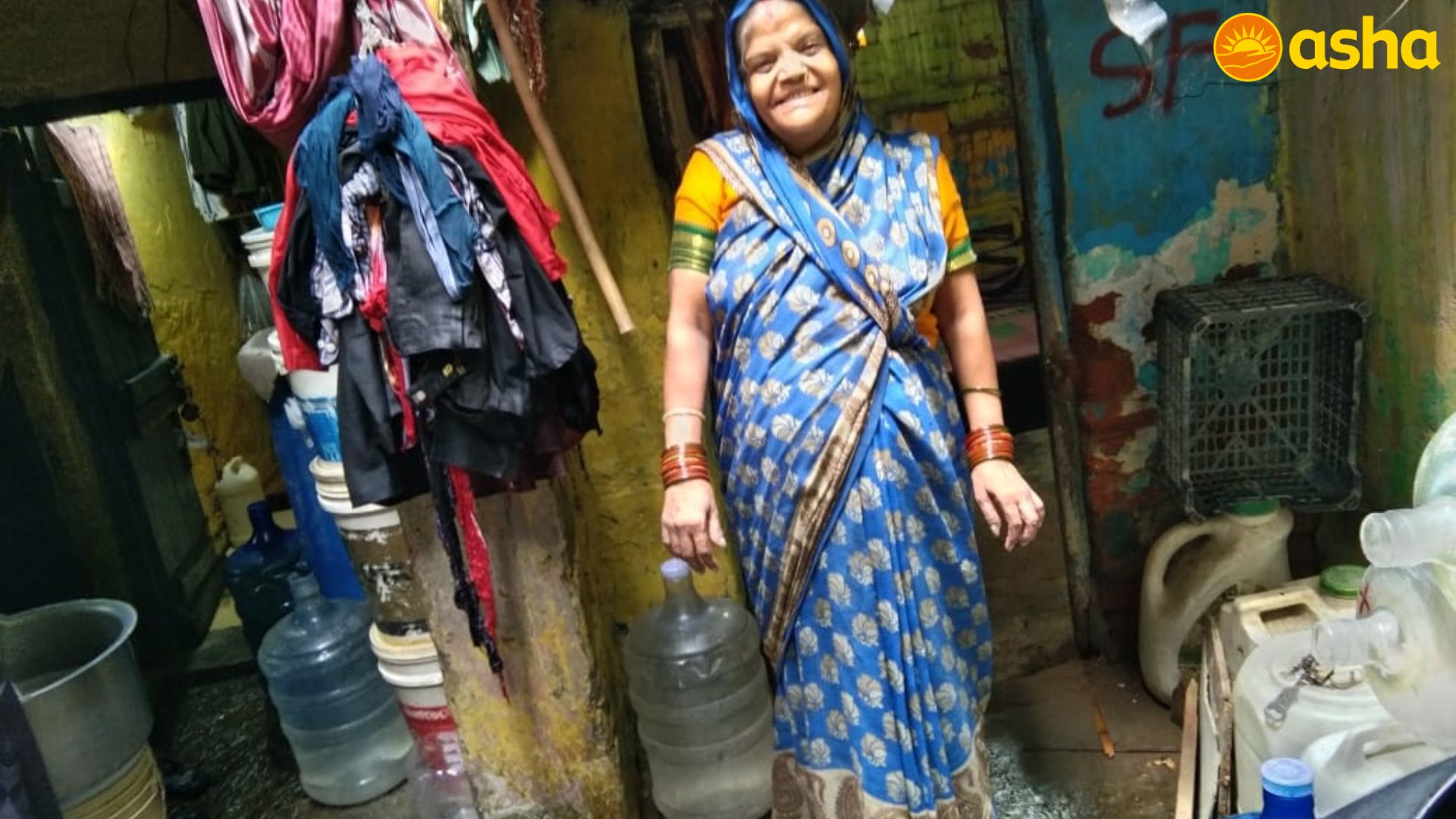
Here is the story of Radha, a young married woman from Kalkaji, being helped by the Asha team to safeguard her reproductive rights.
Radha is a 23-year-old married woman living in the Kalkaji slum. She married in 2020 and had her first child in the same year. The Asha health team provided her with Antenatal and Post Natal support. Radha’s husband and family have been unhappy since the child was a girl. They started pressuring her to conceive for the second time immediately after a year since they wanted a baby boy. Radha wished to have her second pregnancy after three to four years. But the family members did not listen to her wish and pressured her to have a second baby soon. As she had no choice, she had to obey their words. As she became pregnant, being a member of a joint family, she had to spend long hours doing household chores which affected her physical health, and she became underweight. The Asha team took care of her pregnancy, and she delivered a baby girl. Since the second child also happened to be a girl, Radha faced mental harassment and pressure from her in-laws and husband to have another child solely because they wanted a son. She shared the issue with the Asha Health team during a Post-Natal visit to her. The Asha Health team stepped in to counsel the family about the importance of family planning and the risks associated with frequent pregnancies that may be life-threatening. They also tried to convince the family to leave the concept of prioritizing male children over female children and to change the attitude toward gender beliefs that sons are necessary for a family name. The Asha team’s efforts to promote gender equality and family planning have positively impacted the family’s decision to follow temporary family planning methods. Asha’s intervention in Radha’s case has helped her avoid an immediate third pregnancy, promoting her health and well-being and challenging discriminatory gender norms.